Currency



Marine Hinges Maintenance: Top Saltwater Tips
December 03, 2025
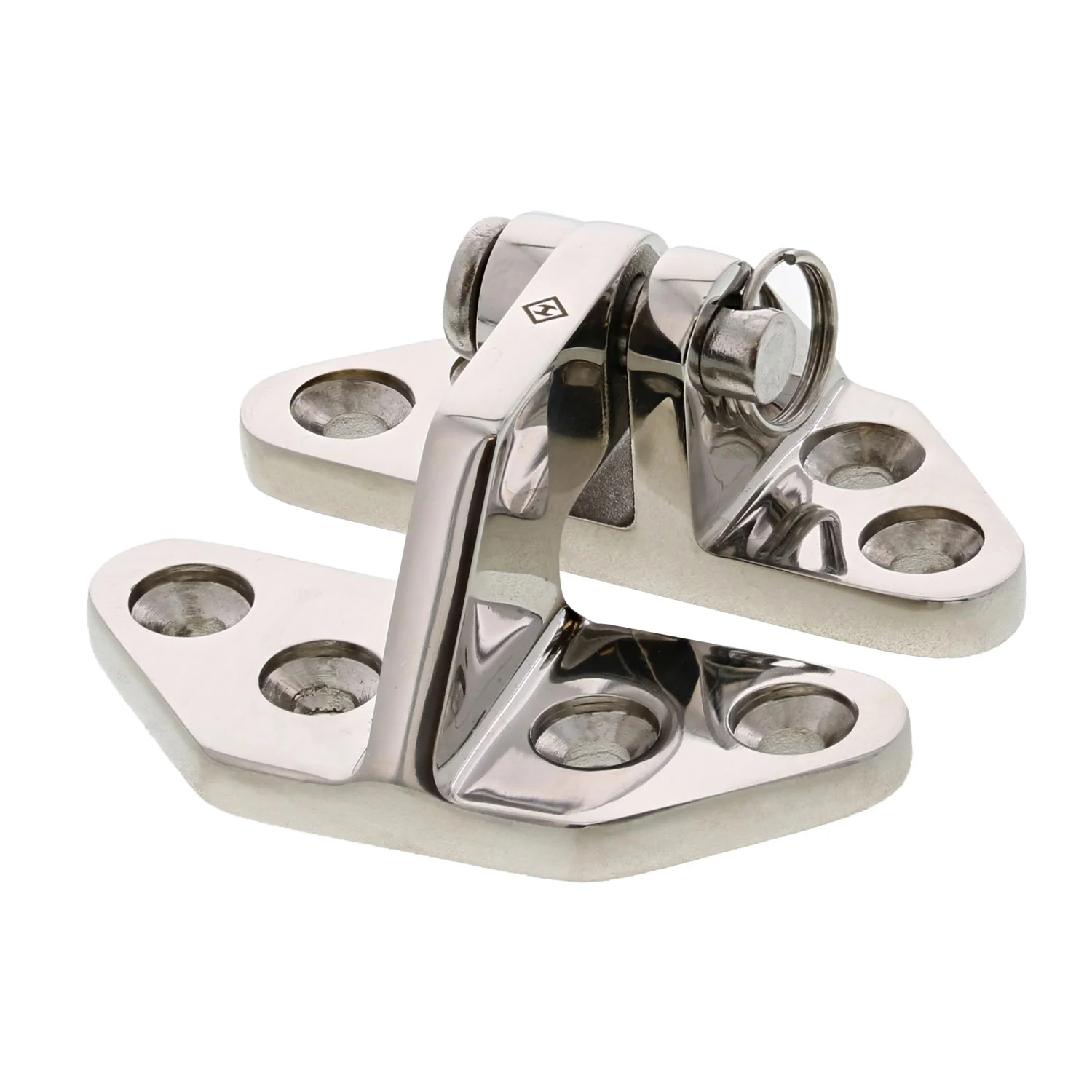
Best Practices for Maintaining Marine Hinges in Saltwater Environments
Before diving into maintenance tips, it's essential to understand what marine hinges are and why they're important. Marine hinges are specifically designed for use on boats and other marine equipment. They are crafted from materials that can withstand harsh marine environments, such as stainless steel or brass, which are resistant to corrosion and rust. These materials ensure that the hinges remain durable and reliable even when exposed to the toughest conditions. Understanding the specific materials and design of marine hinges can help you choose the right type for your boat, ensuring both longevity and performance.
Marine hinges are used on various parts of a boat, including hatches, doors, and compartments. They enable smooth operation and secure closure, ensuring that your boat's components function correctly and safely. Without properly functioning hinges, doors and hatches may not close tightly, leading to potential water ingress or safety hazards. In saltwater environments, marine hinges are subjected to additional stress due to the corrosive nature of salt, necessitating regular maintenance to preserve their integrity. The constant exposure to salt and humidity can accelerate the degradation of hinges, making it crucial to incorporate regular checks into your maintenance routine.
Consistent inspection is the first step in ensuring the longevity of your marine hinges. Regular checks allow you to identify any issues early on, preventing more significant problems down the line. By incorporating inspections into your routine, you can catch minor issues before they escalate into costly repairs or replacements.
During your inspections, pay close attention to signs of corrosion, rust, or wear. These signs can indicate that the hinges are beginning to fail and need immediate attention. Check for any unusual noises or resistance when operating the hinges, as these could indicate underlying problems. Squeaking or grinding sounds are often early indicators that lubrication is needed or that parts may be wearing down. Also, ensure that the hinges are securely fastened and that there are no loose screws or bolts. Loose fittings can compromise the security of your boat's compartments, leading to potential safety risks or water damage.
Keeping your marine hinges clean is crucial for preventing corrosion and maintaining their functionality. Saltwater can leave deposits that accelerate wear and tear, so regular cleaning is necessary. Cleaning not only helps maintain the aesthetic appeal of your boat but also ensures that all components function as intended.
Rinse with Fresh Water: After each outing, rinse your boat and its hardware with fresh water to remove salt and debris. This simple step can dramatically reduce the risk of corrosion by washing away the salt before it has a chance to settle. Pay special attention to the hinges, ensuring they are thoroughly rinsed.
Use a Mild Detergent: Occasionally, clean the hinges with a mild detergent and a soft brush to remove any stubborn grime. Regular cleaning prevents the buildup of grime that can cause parts to stick or wear unevenly. Avoid harsh chemicals that could damage the metal, as these can strip protective coatings or cause discoloration.
Dry Thoroughly: After cleaning, dry the hinges with a clean cloth to prevent water spots and further corrosion. Moisture left on the hinges can lead to rust, especially in areas where the protective coating may have worn away.
Proper lubrication is vital for the smooth operation of marine hinges and helps protect them from the elements. It reduces friction and wear, extending the life of your hinges. Regular lubrication is a proactive measure that can prevent many common issues associated with marine hinges.
Select a lubricant designed for marine use, as these are formulated to withstand the salty, humid conditions of a marine environment. Marine-specific lubricants often contain additives that enhance their protective qualities. Silicone-based lubricants are a popular choice due to their water-resistant properties. They create a barrier against moisture, helping to prevent corrosion and ensure smooth operation.
Apply a small amount of lubricant to the moving parts of the hinges, ensuring even coverage. Proper application is key to achieving the full benefits of lubrication. Wipe away any excess to prevent attracting dirt and debris, as these can cause additional wear. Lubricate the hinges regularly, especially after cleaning or extended periods of use, to maintain their optimal function.
Corrosion is a significant concern for marine hinges in saltwater environments. Taking steps to protect against it will help preserve their condition and functionality. Proactive measures can save time and money in the long run by preventing damage before it occurs.
Whenever possible, choose hinges made from high-quality, corrosion-resistant materials like stainless steel or brass. Investing in quality materials upfront can reduce maintenance needs and extend the life of your hinges. These materials are better equipped to handle the harsh conditions of saltwater environments and are less likely to succumb to rust and corrosion.
Consider applying a protective coating to your hinges to provide an additional barrier against corrosion. Coatings can enhance the durability of your hinges and are an easy way to add an extra layer of protection. Products like marine wax or anti-corrosion sprays can offer extra protection and are easy to apply. Regular application can help maintain the integrity of the hinges, even in the most challenging conditions.
Establishing a regular maintenance schedule is crucial for keeping your marine hinges in top condition. Consistency is key to preventing issues and ensuring your boat remains safe and operational. A structured maintenance plan ensures that no aspect of your boat's care is overlooked.
Develop a maintenance checklist that includes regular inspections, cleaning, lubrication, and protective measures. A detailed checklist can serve as a valuable guide, ensuring that all tasks are completed systematically. Adhere to this schedule diligently to catch potential problems early and maintain the overall health of your boat. Regular adherence to the checklist can prevent small issues from developing into major concerns.
Stay informed about the latest boat maintenance tips and techniques by joining boating forums, reading industry publications, and attending local boating events. Engaging with the boating community can provide valuable insights and tips that you might not find elsewhere. Keeping up with best practices will help you adapt your maintenance routine to new developments and technologies. Continuous learning ensures that you're always implementing the most effective strategies for maintaining your vessel.
Maintaining marine hinges in saltwater environments doesn't have to be a daunting task. By following these best practices, you can ensure your boat's hinges remain functional and corrosion-free, allowing you to enjoy your time on the water without worry. Regular inspections, cleaning, lubrication, and protective measures are essential components of a comprehensive boat maintenance routine. Each of these steps plays a critical role in extending the life of your marine hinges. With these steps, you'll keep your marine hinges — and your entire vessel — in excellent condition for many adventures to come. Prioritizing the care of these components not only enhances the safety and functionality of your boat but also contributes to a more enjoyable boating experience.
Recent Posts
-
Heavy Duty Hasps: Security and Durability
 March 9, 2026
 -
Installation Tips for Stainless Steel Hasps
 February 28, 2026
 -
Benefits of Using Hasp Locks for Security
 February 27, 2026
 -
Top RV Door Lock Security Features
 February 26, 2026
 -
Upgrading Your RV Door Lock System
 February 25, 2026
