Currency



Heavy Duty Hasps: Security and Durability
March 09, 2026
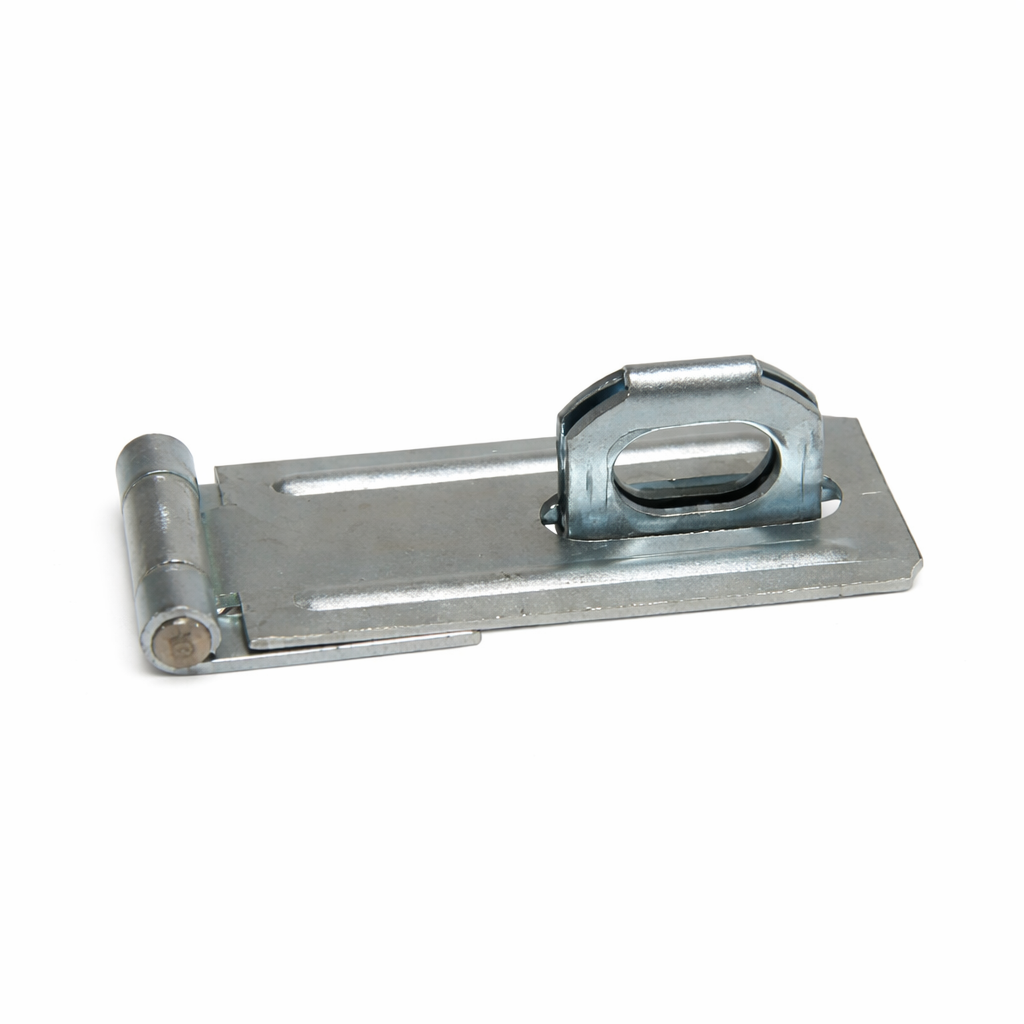
Heavy Duty Hasps: Security and Durability
You’ve got a sturdy gate and a brand-new padlock, but what about the $7 piece of metal connecting them? That flimsy latch is often the most overlooked part of our security, and according to security professionals, it’s one of the first things a thief will test. If it can be quickly pried or bypassed, your expensive lock becomes useless.
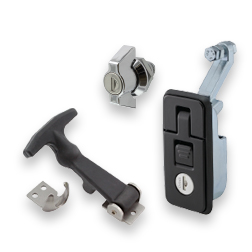
Ever wondered if a thief could just ignore your lock completely? With many basic hasps, they can. The critical flaw is exposed screws, allowing anyone with a simple screwdriver to remove the entire hasp in under a minute, lock and all. A true heavy-duty hasp is designed to solve this exact problem. As the image shows, its hinged plate swings over and completely conceals the mounting screws when locked, making them tamper-proof.
This single design feature is the most important test of a hasp’s real-world security. Go take a look at the hasp on your shed or tool chest right now. If you can see the screws while it’s latched shut, you’ve found the weakest link. Preventing hasp break-ins starts with this simple check, and upgrading is one of the easiest, most effective security improvements you can make.
Don't Be Fooled by Shiny Metal: The Importance of Hardened Steel
When you're comparing hasps at the hardware store, it's tempting to believe that thicker, heavier metal is always stronger. While a beefy design is a good start, it’s a dangerous assumption if the material itself is weak. An intruder with a decent pair of bolt cutters can slice through thick but soft, untreated steel with surprising ease. This is the difference between something that looks secure and something that is secure.
To truly stand up against a cutting attack, a heavy-duty hasp must be made from hardened steel. This isn't just regular steel; it has been heat-treated to make it incredibly rigid and resistant to the pinching force of bolt cutters. In many cases, a thief trying to cut a hardened steel hasp will end up breaking their own tool before they defeat the lock.
Your simple rule of thumb when choosing a hasp is to look past the bulk and check the packaging for the words “hardened steel.” This label is your single best indicator that you're buying genuine security, not just a heavy piece of metal. But while hardened steel protects the hasp itself, what about protecting the padlock you attach to it? That’s where an even smarter design feature comes into play.
The Ultimate Upgrade: How a Shrouded Hasp Makes Your Padlock Almost Invincible
Even the strongest padlock has a vulnerable point: its exposed U-shaped bar, known as the shackle. For a thief with bolt cutters, this is the prime target. No matter how tough your hasp's steel is, if an attacker can easily snip the padlock shackle, they're in. This is where a clever hasp design offers the ultimate upgrade in security.
Enter the shrouded hasp, sometimes called a hidden shackle hasp. It features built-in steel walls that form a protective fortress around your padlock’s shackle, leaving almost no part of it exposed. The advantages of a hidden shackle hasp are simple but powerful: bolt cutters can't get a grip. This single design feature effectively neutralizes a criminal's most common tool, making it the most secure type of hasp you can buy.
Is this level of security necessary for everything? Not always. But for your most critical applications—like providing the best hasp lock for shed security or protecting a remote gate—it's the smartest choice. When protecting high-value assets, a shrouded hasp creates a system that is incredibly difficult to defeat. Of course, defeating a thief is only half the battle; your hasp also has to win against mother nature.
Beating the Elements: Choosing a Hasp That Won't Rust Shut
A thief isn’t the only enemy your hasp has to face; it also has to win the battle against Mother Nature. Rust isn't just an ugly orange stain; it's a security risk. A corroded hasp can seize up, making it difficult to open, or worse, become brittle and weak. A rusted hinge pin or staple can fail with a simple kick or a blow from a hammer, rendering all your high-security features useless.
To prevent this, you’ll find two main types of weatherproof hasps for outdoor use: coated steel and stainless steel. Coated or galvanized steel is regular steel with a protective layer, like a raincoat. It works well, but if that coating gets deeply scratched, the steel underneath can begin to rust. A stainless steel hasp and staple, on the other hand, has corrosion resistance baked into the metal itself. Even if it gets scratched, it won't rust.
For any hasp that will be exposed to rain, snow, or high humidity, stainless steel is the superior, worry-free choice. While it may cost a little more upfront, its longevity makes it a worthwhile investment. Now that you've chosen a hasp that can defeat both criminals and the weather, it's time to pair it with the right partner.
Your Security is a System: Matching Your Padlock to Your Hasp
That wall of shiny metal in the hardware store no longer seems so confusing. Where you once saw a dozen similar-looking latches, you can now spot the difference between a real deterrent and a flimsy impostor. You’ve traded uncertainty for a clear understanding that true security is a system, not just a single part you buy.
Your first success is just outside your door. Go look at the lock on your own shed or gate. Are the hasp and padlock an equal match? By ensuring your heavy-duty hasp has a partner of equal strength, you’re no longer just buying hardware. You're building a complete security system—one where a thief can’t find an easy way in.
Recent Posts
-
Heavy Duty Hasps: Security and Durability
March 9, 2026
-
Installation Tips for Stainless Steel Hasps
 February 28, 2026
 -
Benefits of Using Hasp Locks for Security
 February 27, 2026
 -
Top RV Door Lock Security Features
 February 26, 2026
 -
Upgrading Your RV Door Lock System
 February 25, 2026
