Currency



Choose the Perfect Drop Hitch: A Comprehensive Guide
November 17, 2025
Choose the Perfect Drop Hitch: A Comprehensive Guide
When it comes to towing, having the right drop hitch is crucial for safety and performance. Whether you're hauling a trailer, camper, or any heavy load, selecting the correct drop hitch ensures that your towing experience is smooth and hassle-free. In this guide, we'll walk you through everything you need to know to choose the right drop hitch for your vehicle.
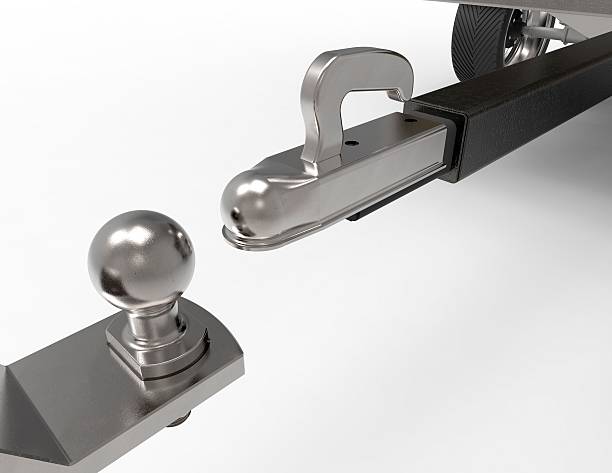
A drop hitch is an essential component for towing that helps adjust the height of the trailer to match the height of your vehicle’s hitch receiver. This adjustment is necessary to maintain a level trailer, which is vital for safe towing. The drop hitch comes in various forms, including adjustable hitches, fixed drop hitches, and multi-ball mounts, each serving different towing needs.
Why is a Drop Hitch Important?
A properly leveled trailer ensures that the weight is evenly distributed across the axles, preventing unnecessary strain on the towing vehicle and the trailer. It also improves handling, braking, and overall safety on the road. Without a suitable drop hitch, you risk having an unbalanced load, leading to potential accidents.
Types of Drop Hitches
Choosing the right type of drop hitch depends on your specific towing requirements. Here are some common types:
Adjustable Drop Hitch
An adjustable drop hitch allows you to change the height of the hitch ball, making it versatile for towing different trailers. This is particularly useful if you frequently switch between trailers with varying tongue heights. Options like the aluminum adjustable tow hitch or stainless truck hitch adjustable height are popular for their durability and ease of use.
Fixed Drop Hitch
A fixed drop hitch is a solid piece with a set drop length. It’s ideal for those who tow the same trailer regularly and do not need to adjust the height frequently. Fixed hitches are generally more robust since there are no moving parts, making them a reliable choice for consistent towing needs.
Multi-Ball Mount Hitch
Multi-ball mounts come with different ball sizes on one hitch, allowing you to switch between them without changing the entire hitch. This is convenient if you tow trailers with different coupler sizes but don’t need to adjust the height often.
How to Measure for the Right Drop Hitch
To determine the correct drop for your hitch, follow these steps:
Measure the Hitch Receiver Height: Park your vehicle on a level surface and measure from the ground to the top of the hitch receiver opening.
Measure the Coupler Height: With the trailer on a level surface, measure from the ground to the bottom of the coupler.
Calculate the Drop: Subtract the coupler height from the hitch receiver height. The difference is the drop you need. For example, if your hitch receiver height is 20 inches and the trailer coupler is 14 inches, you need a 6-inch drop.
Materials and Finish
When selecting a drop hitch, consider the material and finish, as they affect both durability and appearance:
Aluminum vs. Steel
Aluminum Adjustable Trailer Hitch: Lightweight and resistant to rust, making it an excellent choice for frequent use and harsh weather conditions.
Steel Drop Hitch: Generally more robust and can handle heavier loads, but may require maintenance to prevent rust.
Finish
Black Trailer Hitch: A common choice for its sleek look and rust-resistant properties.
Stainless Finish: Offers superior rust resistance and a polished look, often used in premium hitch models.
Choosing the Best Adjustable Tow Hitch
When searching for the best adjustable tow hitch, consider these factors:
Weight Capacity
Ensure the hitch can handle the weight of your trailer and cargo. Check the Gross Trailer Weight (GTW) and Tongue Weight (TW) ratings.
Adjustability
If you need flexibility, look for hitches that offer a range of adjustments. The best adjustable trailer hitch will allow for easy height changes and include features like dual-ball mounts for different trailer sizes.
Ease of Use
Consider how easy it is to install and adjust the hitch. Quick-release pins and simple locking mechanisms can make adjustments quicker and more convenient.
Brand Reputation
Opt for reputable brands known for their quality and reliability. Brands that offer warranties or satisfaction guarantees are often more trustworthy.
Special Considerations
Lifted Trucks
For lifted trucks, ensure the drop hitch offers enough drop to accommodate the increased height of the vehicle. A 12 drop trailer hitch or 6 inch drop receiver hitch might be necessary, depending on your truck's lift.
Off-Road and Heavy-Duty Use
If you plan on off-road towing or need a heavy-duty solution, look for hitches designed for rugged use. These often feature reinforced construction and higher weight capacities.
Conclusion
Choosing the right drop hitch involves understanding your towing needs, measuring accurately, and selecting the appropriate type and material. By considering factors like adjustability, weight capacity, and ease of use, you can find a drop hitch that ensures safe and efficient towing. Remember to regularly inspect and maintain your hitch to prolong its lifespan and ensure continued safety on the road.
Recent Posts
-
Heavy Duty Hasps: Security and Durability
 March 9, 2026
 -
Installation Tips for Stainless Steel Hasps
 February 28, 2026
 -
Benefits of Using Hasp Locks for Security
 February 27, 2026
 -
Top RV Door Lock Security Features
 February 26, 2026
 -
Upgrading Your RV Door Lock System
 February 25, 2026
